Inner page banner

Joint Aspiration and Injection

Musculoskeletal Ultrasonography

Joint Injection

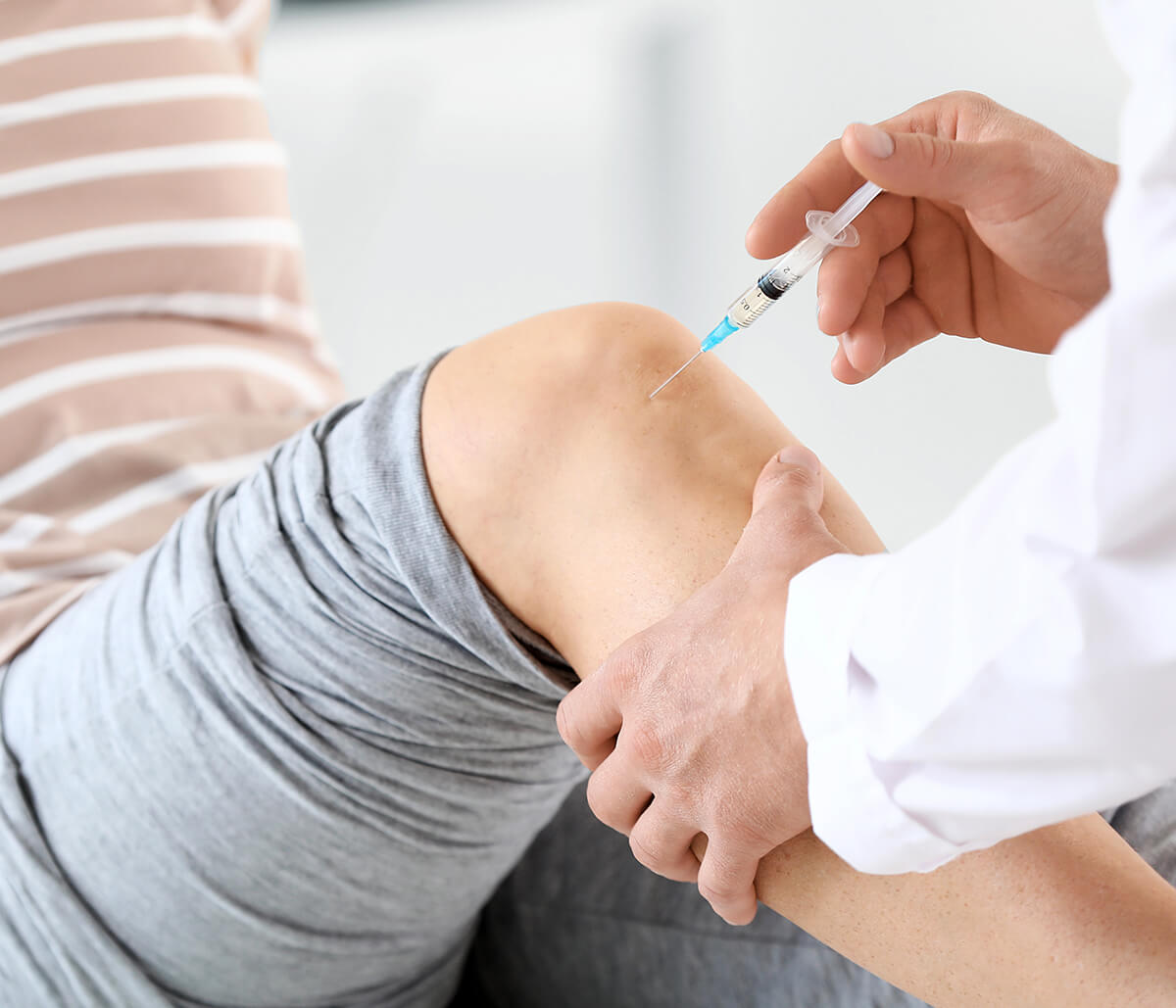
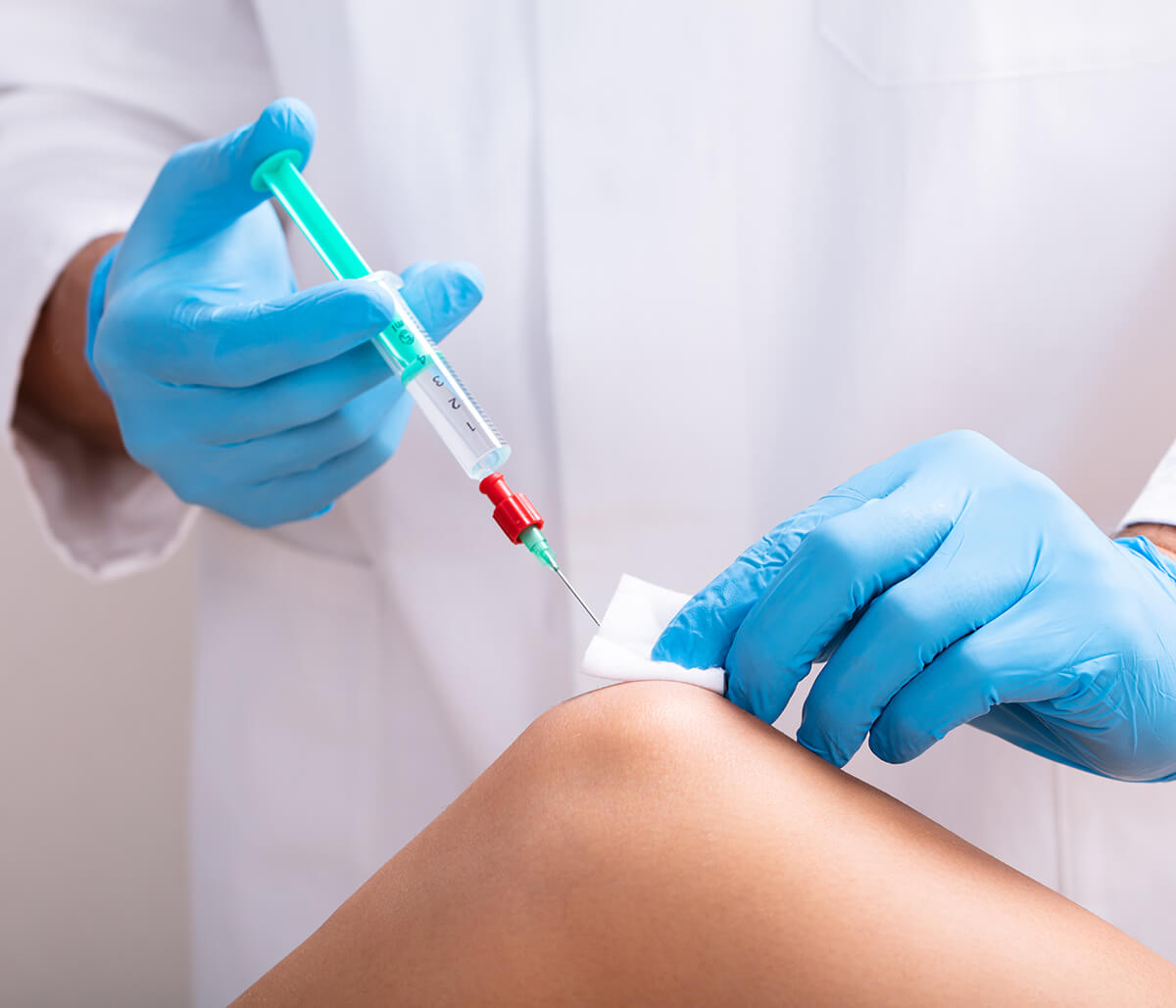
Joint injection is a procedure where a small hypodermic needle is inserted into the joint space and a variety of therapeutic agents can be injected to reduce inflammation and relieve pain. Both acute and chronic pain is ideal for joint injections. The treatments will help reduce pain and allow the patient to work effectively with physical therapy and to start personal exercise programs to regain strength and range of motion, all with less pain. At the Seaside Rheumatology and wellness Center, all procedures are conducted under a strict aseptic technique and with ultrasound guidance. Ultrasound is used for a more accurate and less painful procedure. Common indications for joint injection include, osteoarthritis, crystal arthritis (gout, psuedogout), tendonitis, deQeurvains, trigger finger, bursitis, inflammatory arthritis(rheumatoid arthritis, psoriatic arthritis etc), neuritis. Joints injected include the joints of the spine and pelvis, hips, knees, ankles, toes, shoulders, elbows, wrists and fingers. There are certain contraindications and rare complications to these procedures, which will be discussed in detail during your office visit.

Therapies offered at Seaside rheumatology and Wellness Center

  • Steroid injections
  • Euflexxa
  • Synvisc
  • Orthovisc
  • Zeel and Traumeel (natural alternative)

Joint Aspiration

Joint aspiration is a procedure where a small hypodermic needle is inserted into the joint space in order to sample synovial fluid for further analysis. The fluid is sent for laboratory evaluation looking for infection, inflammatory cells, uric acid crystals, calcium crystals, fat globules or blood. At the Seaside Rheumatology and Wellness Center, all procedures are conducted under a strict aseptic technique and with ultrasound guidance. Lidocaine is used during all procedures to help minimalize any pain that may be experienced. Ultrasound is used for a more accurate and less painful procedure. Ultrasound provides precise image of the target area and allows Dr. Lloyd to avoid areas that may be more tender and inflamed. Indications for this procedure are acute red, swollen and or tender joints. Once the fluid samples have been analyzed a diagnosis and treatment plan can be initiated.

Dr. Peter Lloyd - Joint Injections at Seaside Rheumatology and Wellness Center

Joint Injections at Seaside Rheumatology and Wellness Center
Do you have constant pain in your joints? What are joint injections? Watch this video as Dr. Peter Lloyd from Seaside Rheumatology and Wellness Center near Encinitas, CA explains all about it.

A joint injection procedure is done with ultrasound guidance at Seaside Rheumatology and Wellness Center. The goal is to inject various therapies to either reduce inflammation and relieve pain or provide mechanical relief for an arthritic joint.

Indications for joint injection include osteoarthritis, crystal arthritis such as gout or pseudo-gout, tendonitis, trigger finger, various bursitis, or any type of inflammatory arthritis.

The purpose of the procedure is to inject medication to help reduce inflammation, which will then reduce swelling and reduce pain.


Frequently Asked Questions About Joint Aspiration and Injection

Why might a rheumatologist recommend joint aspiration for a painful or swollen joint?

Joint aspiration may be recommended when a joint becomes swollen, painful, or difficult to move due to excess fluid accumulation around it. During the procedure, a thin needle is used to remove fluid from the joint. Removing excess fluid can relieve pressure and discomfort while also providing a sample for testing. Joint aspiration may help determine whether symptoms are related to gout, inflammatory arthritis, infection, or another condition, allowing your provider to make a more accurate diagnosis and treatment recommendation.

What can joint fluid testing reveal about the cause of joint pain and swelling?

Fluid collected during joint aspiration can provide valuable information about what is happening inside a swollen joint. The sample may be examined for crystals associated with gout or pseudogout, signs of infection, and features suggestive of inflammation. These findings can help distinguish between different causes of joint pain that may otherwise produce similar symptoms. At Seaside Rheumatology and Wellness Center, joint aspiration can be incorporated into a comprehensive evaluation when determining the underlying cause of unexplained joint swelling.

How are joint aspiration and joint injections different, and why might both be performed during the same visit?

Joint aspiration removes excess fluid from a joint, while a joint injection delivers medication directly into the affected area. In some situations, both procedures may be performed during the same appointment. After excess fluid is removed, medication such as a corticosteroid may be injected to help reduce inflammation and pain. Whether aspiration, injection, or both are appropriate depends on your symptoms, suspected diagnosis, medical history, and the condition of the affected joint.

Do joint aspiration and injection procedures hurt, and what should I expect during treatment?

Most joint aspiration and injection procedures are completed relatively quickly. The treatment area is cleaned carefully, and a local anesthetic may be used to minimize discomfort. You may feel pressure or a brief pinching sensation when the needle enters the joint. Some patients experience temporary soreness afterward. At Seaside Rheumatology and Wellness Center, the procedure is performed with attention to accurate needle placement, patient comfort, and clear instructions about what to expect during and after treatment.

Which joints can be treated with joint aspiration or corticosteroid injections?

Joint aspiration and injections can be performed in several areas depending on the cause and location of symptoms. Common treatment areas include the knees, shoulders, wrists, elbows, ankles, fingers, and other accessible joints. Corticosteroid injections may also be considered for certain inflamed structures around joints. Not every painful joint requires an injection, so an evaluation is important to determine whether the procedure is appropriate and whether another treatment may provide better results.

How long does it take for a joint injection to relieve pain and inflammation?

The amount of time needed to experience relief varies depending on the medication used, the underlying condition, and the individual patient. Corticosteroid joint injections may begin reducing inflammation and discomfort within a few days, although responses vary. Relief may last for weeks or longer for some patients, while others may experience a shorter benefit. Joint injections generally form one part of a broader treatment plan rather than serving as a permanent solution for the underlying joint condition.

What should I do after a joint aspiration or injection, and when can I return to normal activities?

Many patients can return to routine activities soon after joint aspiration or injection, although temporary activity restrictions may be recommended. Mild soreness at the injection site may occur, and strenuous use of the treated joint may need to be temporarily limited. At Seaside Rheumatology and Wellness Center in Encinitas, California, patients receive individualized aftercare instructions based on the procedure performed and the joint treated. Contact your provider promptly if you develop increasing redness, warmth, swelling, fever, or severe pain after the procedure.

Dr. Peter Lloyd

Dr. Peter Lloyd

Dr. Peter Lloyd is a board-certified rheumatologist with exceptional expertise in the diagnosis and treatment of rheumatoid arthritis, psoriatic arthritis, and other rheumatologic diseases. He earned his medical degree at the University of Vermont College of Medicine. He completed his internal medicine residency at the University of Chicago. He completed his rheumatology fellowship training at the prestigious David Geffen School of Medicine, UCLA. At his facility Seaside Rheumatology, he treats his patients using the latest technology and medical developments. Due to his impeccable academic records, modern approach to treatments and compassionate patient care, he is valued as one of the best rheumatologists in the Rheumatology field.

Read What Our Patients are Saying