
Psoriatic Arthritis: diagnosis, treatment, and maintenance options
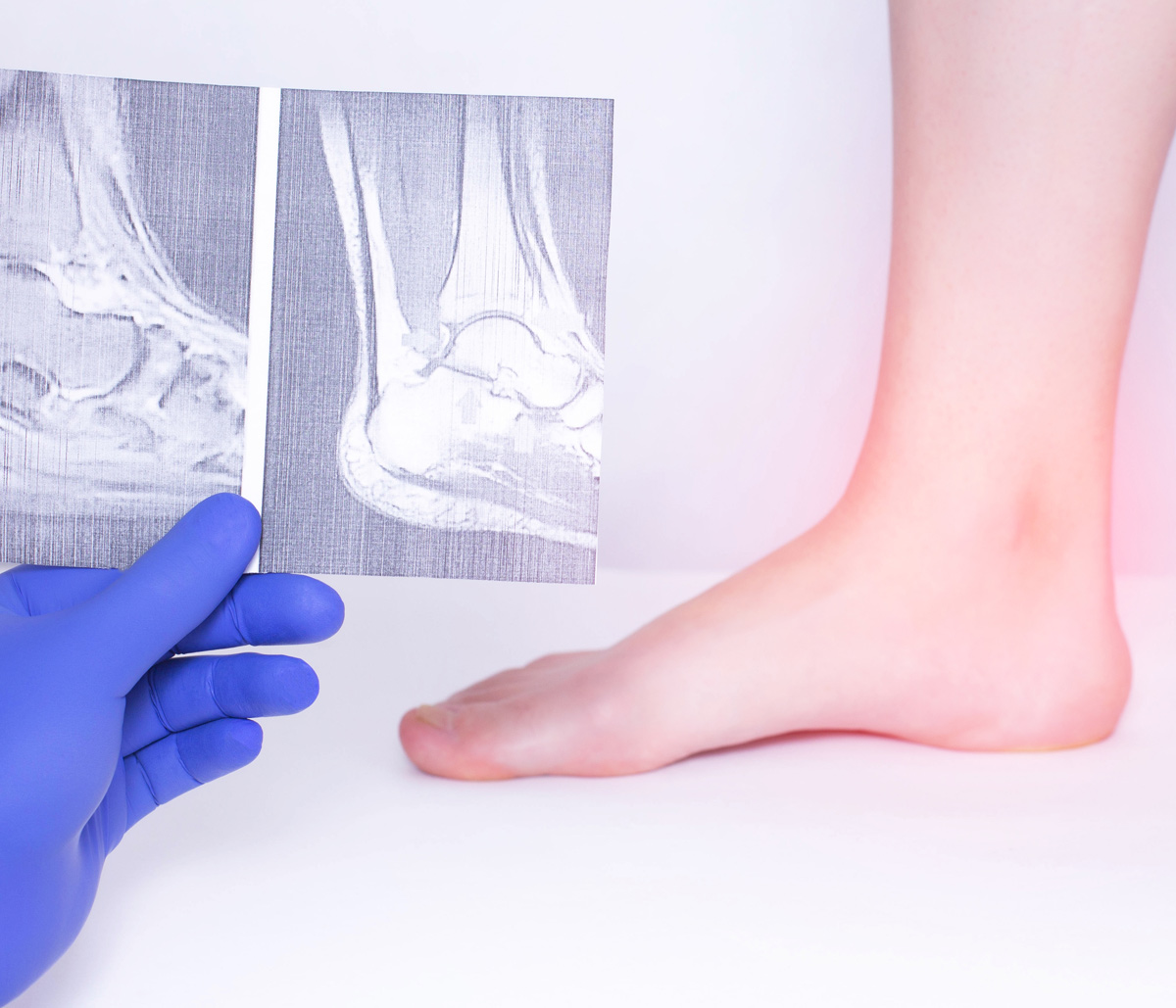
Psoriatic arthritis is a condition that affects millions of Americans and hundreds in Encinitas, California city, and surrounding areas. At Seaside Rheumatology and Wellness Center, our Board-Certified rheumatologist, Dr. Peter Lloyd, is available to help patients with their health needs. Not only can he provide a definitive diagnosis of psoriatic arthritis, but he can also talk to patients about treatment and maintenance options to alleviate the swelling and discomfort associated with this condition.
What is psoriatic arthritis?
Many patients are unaware of what psoriatic arthritis is, even though they may be familiar with psoriasis, which is a condition that impacts the skin. However, approximately 30% of patients with skin psoriasis may eventually discover psoriatic arthritis. This autoimmune disorder affects both the skin and joints. It is caused when the body’s immune system mistakenly attacks the healthy tissue, leading to inflammation and pain in the joints.
What are the signs of psoriatic arthritis?
Symptoms that may be noticed in patients with psoriatic arthritis include red, scaly patches of skin, joint swelling and tenderness, stiffness or decreased range of motion, and fatigue. Patients might also notice changes in their nails, pain in the lower back, and joint pain in the wrists, knees, and ankles. For some patients, they may experience psoriatic arthritis before psoriasis, and this can often occur in patients who have a family history of psoriasis. At Seaside Rheumatology and Wellness Center, we talk to patients experiencing certain signs and symptoms of psoriatic arthritis to get a definitive diagnosis and discuss treatment options.
What are some of the treatment options for patients with psoriatic arthritis?
To reduce and alleviate pain and inflammation that can lead to joint damage, it is crucial that patients get an early detection of psoriatic arthritis. Dr. Peter Lloyd is here to review your entire medical history, talk to you about your symptoms and will perform a thorough physical examination to make a proper diagnosis. Once this has been done, patients can move forward with treatment options to prevent joint damage and reduce discomfort and symptoms associated with this condition.
Dr. Peter Lloyd - What is Psoriatic Arthritis

Typically, patients with psoriatic arthritis will first have the skin condition known as psoriasis. A small group of patients will actually develop psoriatic arthritis before they develop psoriasis.
Psoriatic arthritis is an inflammatory arthritis that can affect any age group. It’s an inflammatory condition, meaning that it has nothing to do with age or age-related arthritis. It can happen with young patients or old patients.
Psoriatic arthritis patients have joint pain, swelling, and stiffness in both the peripheral joints, for example, the wrists, the fingers, and the elbows, but also in the axial system—the spine. They can have stiffness and pain in the lower region of the spine and the neck.
So basically, any joint can really be involved.
Some of the treatment options that may be discussed for patients with psoriatic arthritis include:
- Patient Education
- Physical, occupational, and massage therapy
- Prescription medications to manage swelling and inflammation with NSAIDS
- Corticosteroid shots
- Regular exercise to keep the joints moving
- Rest for patients with fatigue
- Devices designed to protect the joints, such as supports, splints, and braces
- Surgical interventions to replace damaged joints
Do you suspect you have psoriatic arthritis?
Dr. Peter Lloyd of Seaside Rheumatology and Wellness Center is a Board-Certified rheumatologist who takes an integrative approach to medicine and is here to help patients who are diagnosed with psoriatic arthritis and interested in getting a definitive diagnosis, discussing treatment, and finding ways to manage their condition with time.
If you reside in or around Encinitas, CA, and want to learn more about psoriatic arthritis, call 760-509-2429 to request an appointment at our office. We look forward to seeing you!
Share this Article
Back to Psoriatic Arthritis Page