Frequently asked questions about rheumatoid arthritis and treatment solutions.

Rheumatoid arthritis is best described as a chronic autoimmune disorder in the field of medicine that primarily impacts the joints, causing both inflammation and irreversible damage. It can also affect other body parts, including the skin, lungs, heart, eyes, and blood vessels. When patients start experiencing common symptoms such as joint pain, stiffness, swelling, and fatigue, they may want to talk to a board-certified rheumatologist at Seaside Rheumatology and Wellness Center to get a proper diagnosis and discuss effective treatment options. Encinitas, California, area patients looking for solutions will find that Dr. Peter Lloyd and his team are here to help evaluate the issue and discuss effective treatment options.
Can rheumatoid arthritis be cured?
Unfortunately, rheumatoid arthritis currently has no cure. However, with proper treatment and management, patients can improve their symptoms and quality of life. At Seaside Rheumatology and Wellness Center, our team works closely with each of our local area patients to create a customized treatment plan that addresses their specific needs.
What are the treatment options for patients with rheumatoid arthritis?
A combination of medicine, exercise, physical therapy, and lifestyle changes is usually used to treat rheumatoid arthritis.Medications may be prescribed to reduce inflammation and pain, including non-steroidal anti-inflammatory drugs (NSAIDs), disease-modifying anti-rheumatic drugs (DMARDs), biologic agents, and corticosteroids. Physical therapy will improve joint mobility and function, while regular exercise can help strengthen muscles and improve overall health. Lifestyle changes, including eating a healthy diet, appropriate stress management, and smoking cessation, might also be recommended to manage symptoms.
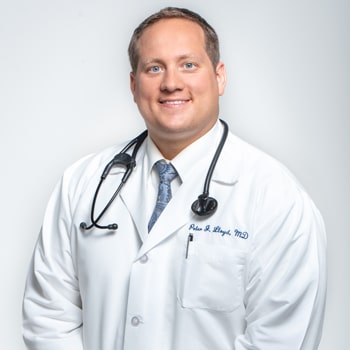
Dr. Peter Lloyd - Treatment Options for Rheumatoid Arthritis at Seaside Rheumatology and Wellness Center

Rheumatoid arthritis is an inflammatory arthritis that can lead to significant joint deformity if left untreated. Rheumatoid arthritis can affect any age group—it can happen in young children, middle-aged individuals, or even elderly adults.
Rheumatoid arthritis is diagnosed based on clinical symptoms, labs, and various imaging modalities such as X-ray and MRI. The treatment goal for rheumatoid arthritis is to essentially reduce inflammation enough to a point that the disease is in remission.
There is no cure for rheumatoid arthritis, and therefore, patients will require maintenance therapy for many years.
There are several types of medication treatments. Treatment for rheumatoid arthritis is initially with a combination of natural supplements and medications known as disease-modifying anti-rheumatic medications. This combination provides significant benefit in most patients. However, a large group of these patients will continue to have active disease despite using these medications.
Therefore, patients with persistent disease despite the more traditional treatment methods will then require newer medications known as biologic therapies. These medications are, for the most part, injectable. Some of the newer ones on the market are actually oral medications now.
The overall goal of these medications is similar to the traditional disease-modifying anti-rheumatic medications in that they modulate or suppress the immune system in a way that reduces inflammation in this disease and prevents joint damage from happening.
Are there supplements that can help in the treatment of rheumatoid arthritis?
Some studies suggest that certain supplements, such as omega-3 fatty acids, turmeric, ginger, and vitamin D, may help with the symptoms of rheumatoid arthritis. However, it is best to consult a qualified healthcare professional before beginning any new supplement regimen, as supplements might negatively interact with medications or have potential side effects.
Can lifestyle changes improve the symptoms of rheumatoid arthritis?
Absolutely! Many lifestyle changes play an important role in managing the symptoms of conditions like rheumatoid arthritis. Following a healthy diet rich in specific anti-inflammatory foods, regular exercise to maintain joint mobility and strength, and proper stress management techniques, including meditation or yoga, can all help improve overall health and reduce inflammation in the body.
Who can I call to learn more about treatments for rheumatoid arthritis?
Dr. Peter Lloyd, our board-certified rheumatologist in Encinitas, California, serves patients looking for solutions to their conditions. If you live in the area and want to work with our team at Seaside Rheumatology and Wellness Center, we invite you to call 760-509-2429 to request an upcoming visit to our clinic at 477 North El Camino Real, Suite D304 B.
Share this Article
Back to Rheumatoid Arthritis Page