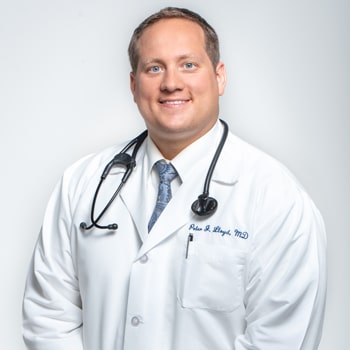
Encinitas specialist takes an integrative therapy approach to rheumatoid arthritis treatment

In the past two decades, medical researchers have found a variety of new ways to treat rheumatoid arthritis. Dr. Peter Lloyd of Seaside Rheumatology and Wellness Center in Encinitas is embracing them. He approaches rheumatoid arthritis treatment with a combination of traditional prescription drug administration and complementary natural therapies. If the testimonies of his patients are any indication, his model is working.
Rheumatoid arthritis (RA) is an autoimmune disorder in which the body’s immune system mistakenly attacks its own tissue. RA affects the lining of the joints. Known as the synovium, this lining produces a lubricating fluid that helps joints move easily. RA inflames the synovium, causing it to thicken. This, in turn, produces painful swelling that can lead to erosion of bone and cartilage. The tendons and ligaments that hold the joint together become weak and begin to stretch. Eventually, the joint loses its shape, its alignment, its mobility, and becomes deformed.
RA patients often experience periods known as flares, when symptoms are especially pronounced and painful. These flares usually alternate with periods of remission.
Dr. Peter Lloyd - Treatment Options for Rheumatoid Arthritis at Seaside Rheumatology and Wellness Center

Rheumatoid arthritis is an inflammatory arthritis that can lead to significant joint deformity if left untreated. Rheumatoid arthritis can affect any age group—it can happen in young children, middle-aged individuals, or even elderly adults.
Rheumatoid arthritis is diagnosed based on clinical symptoms, labs, and various imaging modalities such as X-ray and MRI. The treatment goal for rheumatoid arthritis is to essentially reduce inflammation enough to a point that the disease is in remission.
There is no cure for rheumatoid arthritis, and therefore, patients will require maintenance therapy for many years.
There are several types of medication treatments. Treatment for rheumatoid arthritis is initially with a combination of natural supplements and medications known as disease-modifying anti-rheumatic medications. This combination provides significant benefit in most patients. However, a large group of these patients will continue to have active disease despite using these medications.
Therefore, patients with persistent disease despite the more traditional treatment methods will then require newer medications known as biologic therapies. These medications are, for the most part, injectable. Some of the newer ones on the market are actually oral medications now.
The overall goal of these medications is similar to the traditional disease-modifying anti-rheumatic medications in that they modulate or suppress the immune system in a way that reduces inflammation in this disease and prevents joint damage from happening.
Twenty years ago, doctors focused on treating RA flare-ups rather than the disease itself. Patients were told to take over-the-counter or prescription pain relievers and anti-inflammatory medications. They might have been given a corticosteroid injection. Medication choices for RA were limited, and physicians often waited to prescribe stronger drugs until symptoms were significantly worse.
Today, skilled rheumatologists hit the disease head-on, prescribing powerful new drugs and biologics. Many are combining a drug regimen with natural therapies that include diet change including probiotics; natural supplements like fish oil; and herbal supplements like turmeric and Oregon grape. In addition, physical therapy and mind/body techniques such as meditation and yoga are employed to help RA patients remain active and manage the stress of chronic pain.
RA sufferers need to seek treatment early to minimize or avoid progressive joint damage that can result in severe pain and irreversible deformity. Consult Dr. Lloyd, who focuses on a well-rounded approach that goes beyond drug therapy to attack RA by addressing, diet, exercise, and mental wellbeing. Call him today at 760-509-2429. He is committed to customizing a treatment plan that meets your individual needs.
Share this Article
Back to Rheumatoid Arthritis Page